Dabbling ducks
Mallard
Anas platyrhynchos
The green-headed duck of ponds and parks everywhere, and the wild ancestor of nearly every farmyard duck.
Read the profile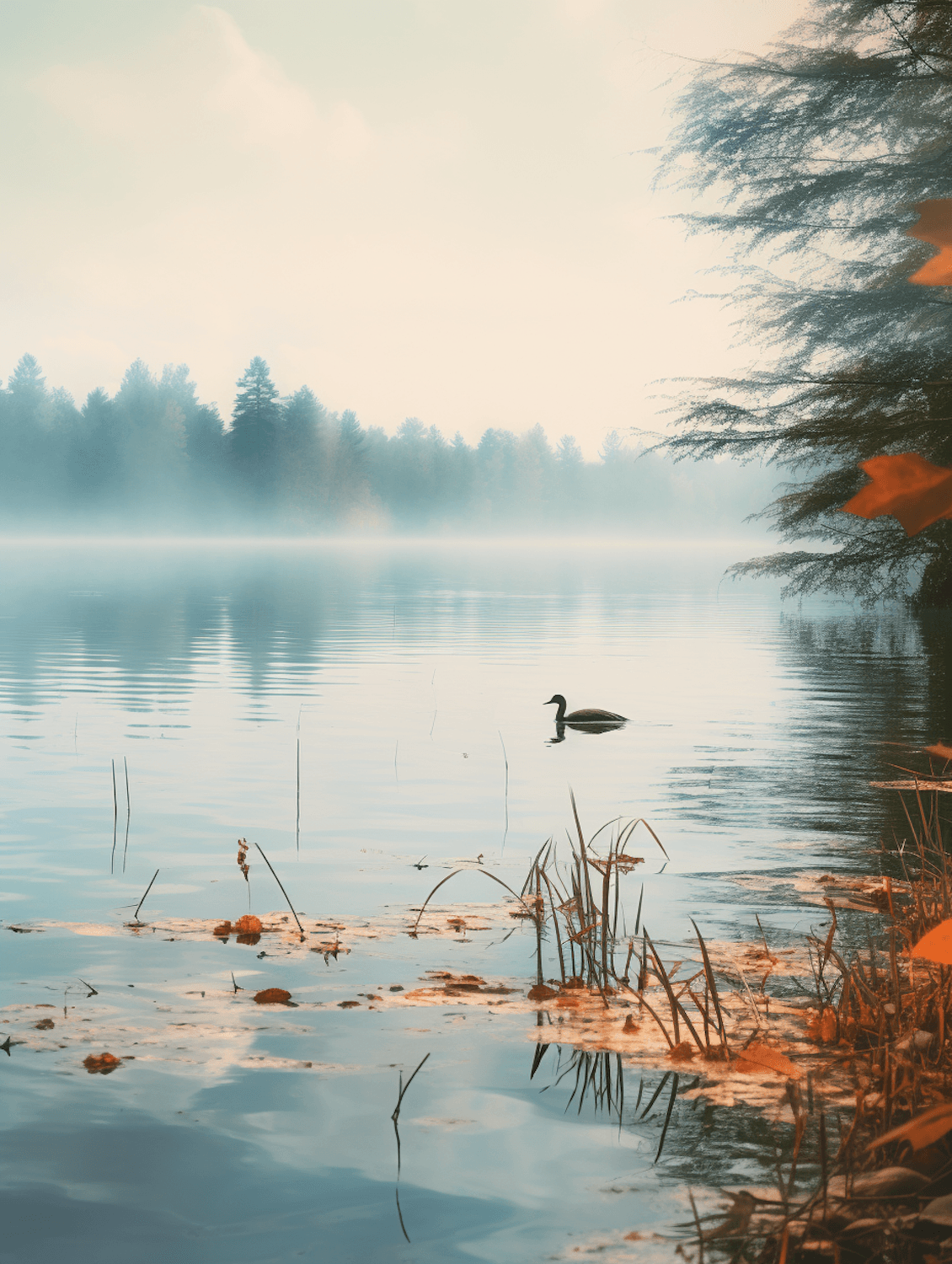
Did you know?
Ducklings can swim and find their own food within a day of hatching.
Know your ducks
Ducks fall into a few big families based on how they feed, swim and nest. Learn the groups and you can place most ducks at a glance.
Faces on the water
From park-pond favorites to whitewater specialists, here are some great ducks to start with.
Anas platyrhynchos
The green-headed duck of ponds and parks everywhere, and the wild ancestor of nearly every farmyard duck.
Read the profileAythya valisineria
A regal diving duck with a long, sloping, wedge-shaped head.
Read the profileHistrionicus histrionicus
A small, boldly patterned duck that thrives in crashing white water.
Read the profileAix galericulata
The wood duck's ornate East Asian cousin, famous for the drake's orange sails.
Read the profileStranger than they look
Ducks are so familiar that it's easy to forget how remarkable they are. Here are a few of our favorite surprises.
The loud, classic quack belongs to female mallards. Males give a quieter, raspy call instead.
Ducks spend hours preening, spreading oil from a gland near the tail and zipping their feathers into a tight coat that water simply rolls off.
Warm arteries and cool veins run side by side in a duck's legs, so heat flows back to the body before it reaches the feet. That's how ducks can stand on ice without losing much warmth.
Ducks can rest half their brain at a time. In a row of sleeping mallards, the birds on the ends often keep their outward-facing eye open, watching for danger.
After nesting, ducks shed all their flight feathers at once and can't fly for three to five weeks. Drakes lie low in drab “eclipse” plumage until new feathers grow in.
Ducklings bond with the first moving thing they see after hatching, usually their mother. Scientists call it imprinting, and it's why ducklings sometimes follow people.
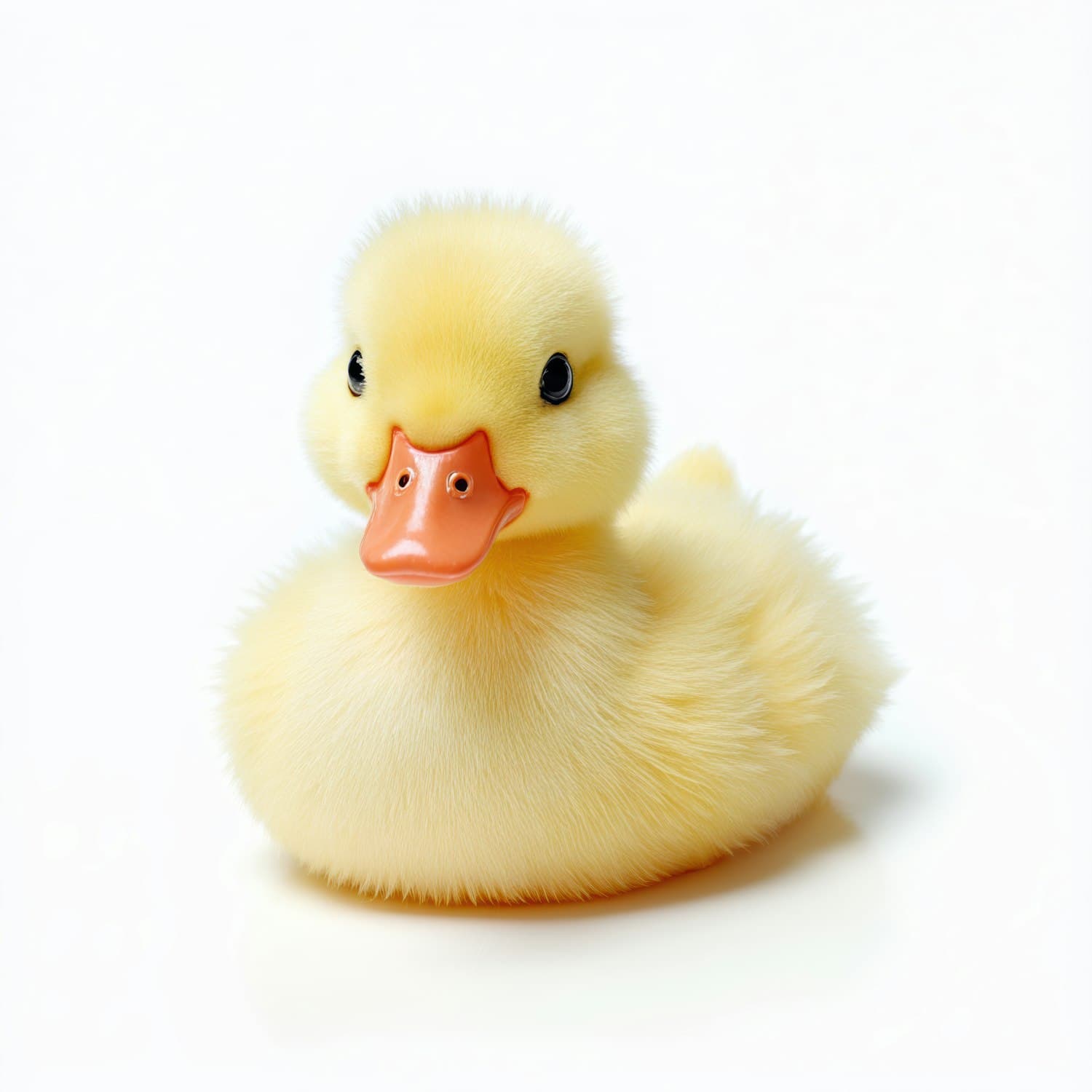
Bread is junk food
It fills ducks up but gives them almost none of the nutrition they need.
Feeding guide
Bread fills ducks up without nourishing them, and soggy leftovers pollute ponds and attract rats. If you'd like to share a snack, choose something closer to what ducks find on their own.
Scatter a small amount on the water or the bank, stop when the ducks lose interest, and always follow local signs that ask you not to feed wildlife.
Duck watching
No special gear or know-how required. A little patience and a few good habits go a long way.
Many drakes wear their sharpest colors from autumn through spring, and ducks gather in big, mixed flocks on open water.
Before you study colors, watch how a duck feeds. Tipping tail-up means a dabbler. Vanishing underwater means a diver.
Ducks spook easily. A simple pair of binoculars shows eye color and bill patterns from a respectful distance.
In spring, many ducks nest well away from water. If you find a nest or a line of ducklings, enjoy them from afar and keep dogs on a leash.
Start with the 8 species in the guide, then head outside. Your next walk just got a lot more interesting.